
With Customized asset management plans at the forefront, this paragraph opens a window to an amazing start and intrigue, inviting readers to embark on a storytelling casual formal language style filled with unexpected twists and insights.
Asset management is a crucial aspect of financial planning, and having personalized plans can make a significant difference in achieving financial goals. This article delves into the importance of customized asset management plans and how they can optimize investment strategies.
Customized Asset Management Plans
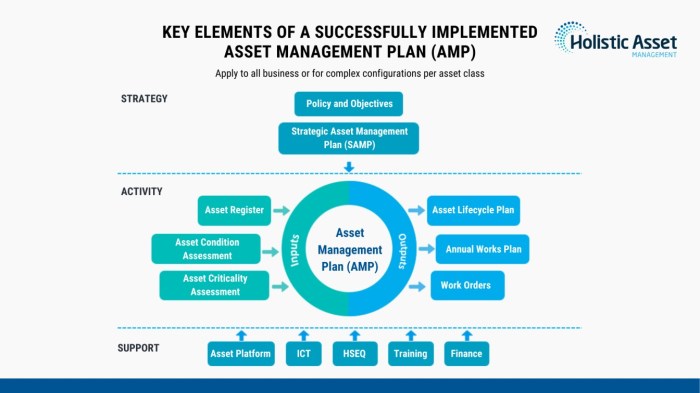
Customized asset management plans are personalized financial strategies designed to meet the unique needs and goals of individual investors. These plans take into consideration factors such as risk tolerance, investment objectives, time horizon, and financial situation to create a tailored approach to managing assets.
Significance of Customized Asset Management Plans
Customized asset management plans play a crucial role in financial planning as they ensure that investments are aligned with the specific requirements and preferences of the investor. By creating a plan that is customized to the individual, better outcomes and financial success can be achieved.
Process of Creating Personalized Asset Management Plans
Creating personalized asset management plans involves an in-depth analysis of the investor’s financial circumstances, goals, and risk profile. This information is used to develop a strategy that includes asset allocation, diversification, and ongoing monitoring to ensure the plan remains aligned with the investor’s objectives.
Benefits of Customized Asset Management Plans
- Optimized Investment Strategies: Tailored asset management plans can optimize investment strategies by focusing on the specific goals and risk tolerance of the investor.
- Improved Risk Management: Customized plans can help in managing risks more effectively by diversifying the portfolio according to the investor’s preferences.
- Enhanced Performance: Personalized asset management plans have the potential to deliver better performance outcomes compared to generic, one-size-fits-all approaches.
Examples of Tailored Asset Management Plans
For example, an investor with a long-term goal of retirement may have a customized plan that emphasizes growth-oriented investments with a higher risk tolerance. On the other hand, an investor looking for steady income streams may have a plan that focuses on dividend-paying stocks and bonds. These tailored approaches ensure that the investments align with the investor’s specific objectives and preferences.
Asset Management
Asset management plays a crucial role in wealth management by overseeing a client’s investments and financial assets to achieve specific financial goals. It involves strategically managing a diverse portfolio of assets to maximize returns while minimizing risks.
Comparison between Asset Management and Asset Allocation
Asset management focuses on the active management of investments to achieve optimal returns based on the client’s financial objectives. On the other hand, asset allocation involves dividing a portfolio among different asset classes to achieve a balance between risk and return. While asset management involves making specific investment decisions, asset allocation focuses on the broader distribution of assets.
Key Components of Effective Asset Management Practices
- Setting Clear Financial Goals: Understanding the client’s financial objectives and risk tolerance is essential for developing a customized asset management plan.
- Strategic Asset Allocation: Allocating assets across different classes based on the client’s goals, time horizon, and risk tolerance.
- Risk Management: Monitoring and managing risk to protect the client’s assets from market volatility and unexpected events.
- Regular Portfolio Review: Continuously monitoring the performance of investments and making adjustments as needed to ensure alignment with the client’s goals.
Importance of Diversification in Asset Management Strategies
Diversification is a key component of effective asset management strategies as it helps reduce risk by spreading investments across different asset classes, industries, and regions. By diversifying the portfolio, asset managers can minimize the impact of volatility in any one investment and potentially enhance overall returns. It is essential to strike a balance between risk and return through diversification to achieve long-term financial success.
Asset Allocation
Asset allocation is a crucial component of portfolio management that involves distributing investments among different asset classes to achieve a balance between risk and return.
Asset Classes in Asset Allocation
- Equities: Represent ownership in a company and offer potential for high returns but come with higher risk.
- Bonds: Debt securities that provide fixed income and are considered less risky compared to equities.
- Real Estate: Includes properties and real estate investment trusts (REITs) that offer diversification and income potential.
- Commodities: Include physical goods like gold, oil, and agricultural products that can act as a hedge against inflation.
Determining Optimal Asset Allocation Mix Strategies
- Modern Portfolio Theory: Utilizes mathematical models to optimize the mix of assets based on risk tolerance and expected returns.
- Strategic Asset Allocation: Establishes a long-term target allocation and periodically rebalances the portfolio to maintain the desired mix.
- Tactical Asset Allocation: Makes short-term adjustments to the asset mix based on market conditions and economic outlook.
Benefits of Asset Allocation
- Diversification: Spreads risk across different asset classes to reduce overall portfolio volatility.
- Risk Management: Helps manage risk exposure by adjusting the allocation mix according to market conditions.
- Enhanced Returns: Balancing different asset classes can potentially improve overall returns over the long term.
Customized asset management plans offer a tailored approach to financial success, ensuring that individual needs and goals are met effectively. By understanding the significance of personalized plans, individuals can make informed decisions to secure their financial future.
Key Questions Answered
What are customized asset management plans?
Customized asset management plans are personalized strategies tailored to an individual’s specific financial needs and goals.
How do customized asset management plans differ from generic ones?
Customized asset management plans offer a personalized approach that takes into account individual circumstances, unlike generic plans that are more generalized.


