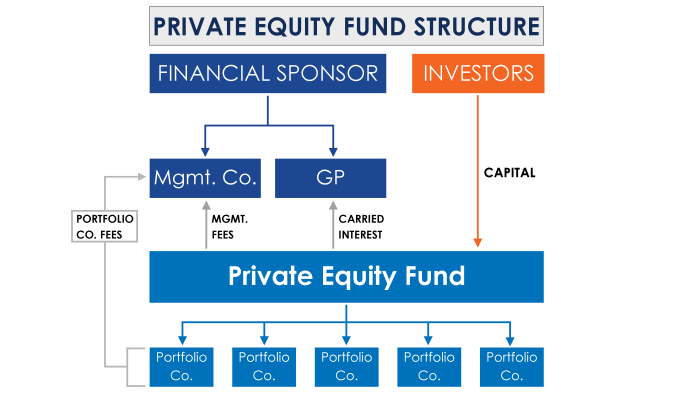
With Private equity asset management at the forefront, this paragraph opens a window to an amazing start and intrigue, inviting readers to embark on a storytelling casual formal language style filled with unexpected twists and insights.
Private equity asset management involves strategic management of investments in non-publicly traded companies, offering unique opportunities for investors seeking higher returns. By delving into this specialized field, one can uncover the key strategies and benefits that set it apart from traditional asset management practices.
Private Equity Asset Management
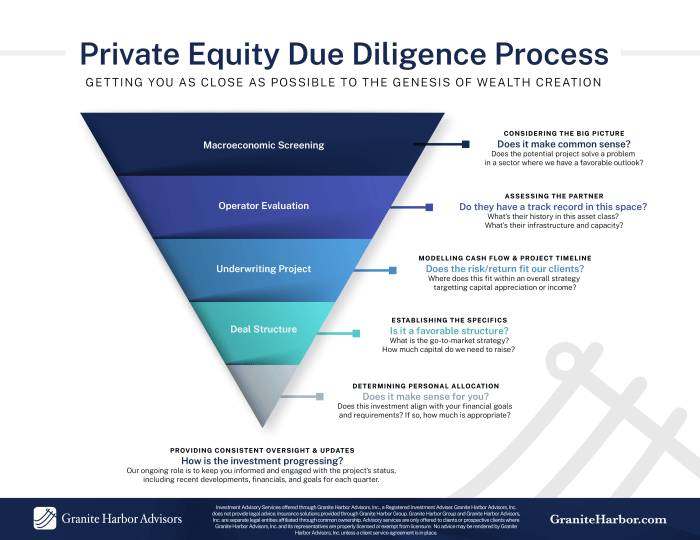
Private equity asset management involves the management of investments in privately held companies or assets with the goal of maximizing returns for investors. This type of asset management typically involves investing in companies that are not publicly traded, allowing for more flexibility and potential for higher returns.
Companies Specializing in Private Equity Asset Management
- Blackstone Group
- KKR & Co. Inc.
- The Carlyle Group
Private equity asset management firms like Blackstone, KKR, and Carlyle specialize in identifying investment opportunities in privately held companies, structuring deals, and actively managing these investments to create value and generate returns for their investors.
Benefits of Private Equity Asset Management for Investors
- Higher return potential: Private equity investments have the potential to deliver higher returns compared to traditional investments due to the active management and growth strategies employed by asset managers.
- Diversification: Private equity investments offer investors a way to diversify their portfolios beyond traditional stocks and bonds, potentially reducing overall risk.
- Long-term focus: Private equity asset managers typically have a long-term investment horizon, allowing them to focus on creating sustainable value in their portfolio companies over time.
Private equity asset management provides investors with the opportunity to access unique investment opportunities, potentially higher returns, and a diversified portfolio that can help them achieve their financial goals.
Asset Management
Asset management is the process of managing a client’s investments and assets to achieve specific financial goals. It involves making strategic decisions on behalf of clients to maximize returns while minimizing risks. Asset management is a crucial component of financial planning as it helps individuals and institutions grow their wealth over time.
Role of Asset Management in Optimizing Investment Portfolios
Asset management plays a vital role in optimizing investment portfolios by diversifying assets, rebalancing investments, and monitoring performance. By carefully selecting a mix of investments based on the client’s risk tolerance and financial goals, asset managers aim to achieve the best possible returns. Additionally, asset management involves regularly reviewing and adjusting the portfolio to adapt to changing market conditions and client needs.
Types of Asset Management Strategies
- Active Management: Involves frequent buying and selling of investments to outperform the market.
- Passive Management: Involves tracking a specific market index or benchmark with minimal buying and selling of investments.
- Strategic Asset Allocation: Focuses on setting target allocations for different asset classes based on the client’s risk tolerance and investment objectives.
- Tactical Asset Allocation: Involves making short-term adjustments to the portfolio based on market conditions and economic outlook.
Asset Allocation
Asset allocation is a crucial aspect of investment planning as it involves dividing a portfolio among different asset classes such as stocks, bonds, and cash equivalents. The goal is to create a diversified portfolio that balances risk and return based on an individual’s investment goals, time horizon, and risk tolerance.
Importance of Asset Allocation
Asset allocation helps spread risk across different asset classes, reducing the impact of market volatility on the overall portfolio. By diversifying investments, investors can potentially enhance returns while minimizing risk. It also allows for adjustments based on changing market conditions and personal financial goals.
- Strategic Asset Allocation: This model involves setting target allocations for various asset classes and periodically rebalancing the portfolio to maintain those targets.
- Tactical Asset Allocation: This model involves actively adjusting asset class weights based on short-term market conditions and economic outlook.
- Dynamic Asset Allocation: This model combines elements of both strategic and tactical asset allocation, allowing for flexibility in response to market dynamics.
Impact on Portfolio Diversification and Risk Management
Proper asset allocation is key to achieving portfolio diversification, which is essential for reducing concentration risk. Diversification helps spread risk and minimize the impact of any single asset’s performance on the overall portfolio. Additionally, asset allocation plays a crucial role in risk management by balancing risk and return based on an investor’s financial goals and risk tolerance.
“Asset allocation is not about picking winners and losers, it’s about choosing the right mix of investments to achieve your financial objectives.”
In conclusion, Private equity asset management presents a compelling avenue for investors looking to diversify their portfolios and achieve substantial returns. By understanding the intricacies of this sector, individuals can make informed decisions to maximize their investment potential and navigate the dynamic landscape of private equity investments.
FAQ Explained
What sets private equity asset management apart from traditional asset management?
Private equity asset management involves investing in companies that are not publicly traded, offering potential for higher returns but also higher risks compared to traditional asset management focused on publicly traded securities.
How can investors benefit from private equity asset management?
Investors can benefit from private equity asset management by gaining access to exclusive investment opportunities, potential for higher returns, and portfolio diversification beyond traditional asset classes.
What are some examples of companies specializing in private equity asset management?
Examples include Blackstone Group, KKR & Co. Inc., Carlyle Group, and Apollo Global Management, among others.


