
Exploring the world of asset management software for businesses, this introduction sets the stage for a deep dive into how these tools revolutionize operational efficiency and decision-making processes.
As we delve further, we will uncover the core features, benefits, and strategies associated with asset management software in the modern business landscape.
Introduction to Asset Management Software
Asset management software for businesses is a tool designed to help organizations track, manage, and optimize their assets efficiently. These assets can include physical assets like equipment, machinery, vehicles, as well as digital assets like software licenses, intellectual property, and more.Asset management software plays a crucial role in modern businesses by providing real-time visibility into asset performance, maintenance schedules, depreciation, and overall lifecycle management.
By utilizing such software, companies can improve operational efficiency, reduce costs, minimize downtime, and ensure compliance with regulations.
Popular Asset Management Software Solutions
- Oracle NetSuite: A cloud-based asset management solution that offers comprehensive features for tracking and managing assets across multiple locations.
- SAP EAM (Enterprise Asset Management): An integrated software suite that helps businesses plan, schedule, and execute asset maintenance activities to maximize asset performance.
- IBM Maximo: A scalable asset management software that enables organizations to monitor asset health, predict failures, and optimize maintenance processes.
- Infor EAM: A robust asset management system that combines asset tracking, work order management, and inventory control to streamline asset maintenance operations.
Key Features of Asset Management Software
Asset management software plays a crucial role in helping businesses track, monitor, and manage their company assets efficiently. Here are some key features that businesses should look for in asset management software:
Asset Tracking and Monitoring
- Barcode and QR code scanning capabilities for easy asset identification.
- Real-time tracking of asset location and status.
- Alerts for maintenance schedules and asset depreciation.
Inventory Management
- Automated inventory updates to maintain accurate asset records.
- Integration with RFID technology for seamless inventory tracking.
- Customizable reporting tools for analyzing inventory data.
Maintenance Scheduling
- Preventive maintenance scheduling to reduce downtime and extend asset lifespan.
- Notification alerts for upcoming maintenance tasks.
- Historical maintenance data for performance analysis and decision-making.
Depreciation Tracking
- Automated calculation of asset depreciation based on predefined methods.
- Reporting tools to visualize asset depreciation over time.
- Integration with accounting systems for accurate financial reporting.
Benefits of Asset Management Software for Businesses
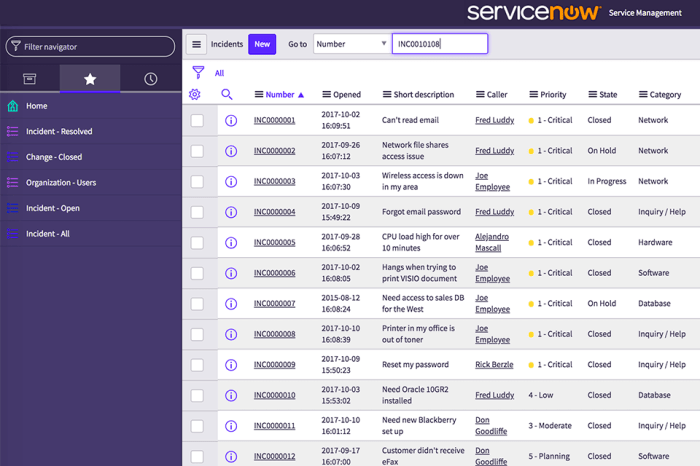
Asset management software offers numerous advantages to businesses, ranging from improving operational efficiency to enhancing decision-making processes.
Improved Operational Efficiency
- Asset tracking and monitoring: Asset management software allows businesses to track and monitor their assets in real-time, reducing the risk of loss or theft.
- Preventive maintenance scheduling: The software enables businesses to schedule and automate preventive maintenance tasks, ensuring that assets are properly maintained and reducing downtime.
- Optimized asset utilization: By providing insights into asset usage and performance, the software helps businesses optimize asset utilization, leading to cost savings and improved productivity.
Enhanced Decision-Making Processes
- Data-driven insights: Asset management software provides businesses with valuable data and analytics, enabling informed decision-making based on accurate information.
- Forecasting and planning: The software helps businesses forecast future asset needs and plan strategically, contributing to long-term growth and sustainability.
- Risk management: By identifying potential risks and vulnerabilities, asset management software allows businesses to mitigate risks effectively and ensure compliance with regulations.
Real-Life Examples
- A manufacturing company implemented asset management software to track equipment maintenance and streamline operations, resulting in a 20% reduction in downtime and a 15% increase in overall equipment efficiency.
- A logistics company utilized asset management software to optimize fleet management and route planning, leading to a 30% decrease in fuel costs and a 25% improvement in delivery times.
- A healthcare facility adopted asset management software to track medical equipment and ensure regulatory compliance, enhancing patient care and reducing equipment downtime by 25%.
Asset Allocation Strategies
Asset allocation is the process of spreading investment funds across different asset classes such as stocks, bonds, and cash equivalents to achieve a balance between risk and return. It is a crucial component of investment management as it helps businesses diversify their portfolios and optimize returns while managing risks effectively.
Different Asset Allocation Strategies
- Strategic Asset Allocation: This strategy involves setting a long-term target mix of assets based on the investor’s risk tolerance and financial goals. It aims to maintain the desired asset allocation through periodic rebalancing.
- Tactical Asset Allocation: In this approach, investors make short-term adjustments to their asset allocation based on market conditions and economic outlook. It involves taking advantage of short-term opportunities while staying within the long-term strategic asset mix.
- Dynamic Asset Allocation: This strategy involves actively adjusting the asset allocation based on changing market conditions, economic indicators, and other factors. It allows investors to capitalize on market trends and adjust the portfolio dynamically.
Asset allocation strategies should be tailored to individual risk tolerance, investment goals, and time horizon to achieve the desired balance between risk and return.
Optimizing Returns with Asset Allocation
- By diversifying across different asset classes, businesses can reduce the impact of market volatility on their portfolio.
- Asset allocation helps in capturing the upside potential of different asset classes while mitigating the downside risks associated with any single asset.
- Through a disciplined and well-thought-out asset allocation strategy, businesses can achieve a more stable and consistent investment performance over the long term.
Integrating Asset Management Software with Asset Allocation
Integrating asset management software with asset allocation strategies is crucial for businesses looking to optimize their investment decisions and manage their assets effectively. By leveraging technology to enhance asset allocation processes, businesses can make more informed and data-driven decisions.
Role of Technology in Enhancing Asset Allocation Decisions
- Automation of data collection and analysis: Asset management software can automate the collection and analysis of data related to assets, market trends, and risk factors, providing real-time insights for better decision-making.
- Advanced analytics and modeling: Software solutions offer advanced analytics and modeling capabilities to simulate different scenarios, assess risks, and optimize asset allocation strategies based on predefined criteria.
- Integration with external data sources: Asset management software can integrate with external data sources such as market research reports, economic indicators, and financial news, providing a more comprehensive view for asset allocation.
- Portfolio optimization: Technology enables businesses to optimize their investment portfolios by rebalancing assets, diversifying holdings, and aligning allocations with investment goals and risk tolerance levels.
Best Practices for Leveraging Asset Management Software in Asset Allocation Processes
- Define clear investment objectives: Before integrating asset management software with asset allocation strategies, businesses should define clear investment objectives, risk tolerance levels, and performance metrics.
- Regular monitoring and review: It is essential to regularly monitor and review asset allocation decisions using software tools, adjusting allocations as needed based on changing market conditions and investment goals.
- Collaboration and communication: Foster collaboration between investment teams, financial analysts, and software developers to ensure alignment between asset management software capabilities and asset allocation strategies.
- Training and education: Provide adequate training and education to employees on how to effectively use asset management software for asset allocation, leveraging its full potential for informed decision-making.
In conclusion, asset management software emerges as a pivotal tool for businesses seeking to enhance efficiency, make informed decisions, and maximize returns. As technology continues to evolve, integrating these software solutions with asset allocation strategies will play a crucial role in shaping the future of business operations.
Q&A
How can asset management software benefit small businesses?
Asset management software can benefit small businesses by helping them organize and track their assets more efficiently, leading to improved decision-making and operational processes.
Is asset management software scalable for large enterprises?
Yes, asset management software can be tailored to the needs of large enterprises by offering advanced features and customization options to handle a higher volume of assets and complex operations.


